

Ballistic PPE Procurement Guide For B2B Buyers
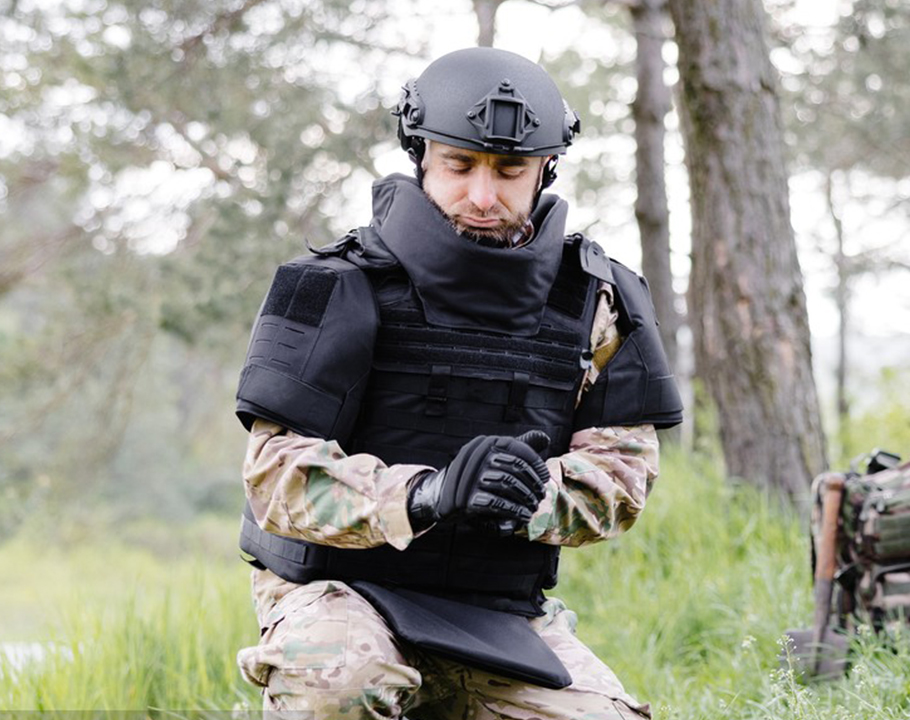
Buyer-side procurement guide
Ballistic personal protective equipment requires a documented purchasing process because a product name, level label, or general supplier statement does not define whether an offered item matches the intended use and acceptance rules defined by a buyer.
Direct answer: A ballistic PPE procurement guide should help a buyer define the required use case and test standard, request evidence tied to the exact offered model, compare the sample and commercial scope, and record acceptance decisions before an order. Model identity and current, applicable evidence matter more than unsupported shorthand claims.
Evidence boundary: This article is a buyer-side planning resource. It does not certify a product, confirm a protection level, recommend use against a threat, provide legal advice, or prove supplier eligibility. The buyer must review model-matched evidence and applicable project requirements with qualified technical, testing, legal, and procurement authorities.
Scope before specifications
Define the Procurement Requirement First
This page owns the buyer-side due-diligence and RFQ-preparation workflow for ballistic PPE. It does not own general supplier shortlisting, claim that a pictured item has a particular performance level, or replace the test, tender, import, or approval process defined by the buyer.
Intended context
State the users, operating context, equipment interfaces, wear duration, environmental conditions, and buyer-defined risk assessment that shape the requirement.
Standard and revision
Name the exact test standard, publication or revision, test conditions, acceptance authority, and document language required by the buyer. Do not rely on an unqualified level label.
Offered configuration
Request the product type, manufacturer, model, construction or bill-of-material reference, size, coverage, components, accessories, labels, and revision for the exact offer.
Commercial scope
Record quantities, size distribution, sample needs, packing and labeling instructions, destination, required date, quotation basis, and buyer responsibilities.
Evidence package
List every report, declaration, photograph, instruction, traceability record, and verification step required before sample or order approval.
Change control
Require written disclosure and buyer approval when the model, construction, material, component, label, document, factory route, or packing scope changes.
Document review
Match Evidence to the Exact Offered Model
For ballistic protective equipment procurement, organize the supplier response so reviewers can trace each statement to a named model, configuration, document, and approval decision. A document is useful only within its stated scope.
| Evidence item | Match fields | Buyer check | Record before approval |
|---|---|---|---|
| Offer index | Item, manufacturer, model, revision, size range, components | Every quoted line has one unambiguous identity | RFQ and quote revision |
| Test report or evaluation record | Exact model and construction, standard and revision, conditions, date, issuing body | Identity, scope, currency, authenticity, and applicability under rules defined by the buyer | Reviewed document ID and reviewer decision |
| Construction record | Materials, components, dimensions, size, coverage, weight unit and configuration | The sample, quote, and supporting documents describe the same build | Accepted configuration or listed deviation |
| Labels and instructions | Model, size, traceability, use, inspection, care, storage, service-life information | Required language and project fields are present and consistent | Approved label and instruction files |
| Quality and inspection plan | Inspection stage, sample method, measurable criteria, records, disposition owner | Acceptance criteria are defined before production or release | Signed inspection plan and exception route |
| Change declaration | Model, material, component, process, document, label, or packing change | Change impact is reviewed before substitution or shipment | Written approval, rejection, or retest decision |
| Delivery documents | Quantity, lot or serial reference where applicable, cartons, destination, shipping terms | Buyer and supplier responsibilities match the quotation and destination rules | Packing, shipment, receipt, and discrepancy records |
Approval workflow
Control the Sample, Exceptions, and Release Decision
A physical sample can support configuration, workmanship, fit, interfaces, labels, and packing review. It does not by itself establish protective performance. Any performance assessment must follow the approved buyer test plan and applicable qualified testing route.
- Freeze the RFQ version. Identify the approved requirement, evidence list, quantities, sizes, destination, and decision owners.
- Require an exception schedule. Ask the supplier to answer each field and list every assumption, exclusion, alternative, and unavailable document instead of treating silence as acceptance.
- Reconcile model identity. Match the quote, sample, labels, construction record, and each report to the same model and revision.
- Record sample findings. Check buyer-approved physical criteria, equipment interfaces, sizes, workmanship, labels, instructions, and packing; photograph and number deviations.
- Approve changes in writing. Define who may accept, reject, request evidence, or require a new sample or test after any change.
- Set release and receipt records. Agree the inspection evidence, shipment documents, receiving checks, discrepancy route, and records needed for a repeat order.
Owner routes
Move From Research to the Correct Next Step
WHCSJ is based in Wuhan, China and supports B2B procurement, customization projects, tender-driven orders, and supply coordination. For protective products, feasibility, evidence, available configuration, and customization scope must be reviewed for the specific project.
Tactical Gear Supplier ChecklistGeneral supplier-evaluation questions and shortlist records before product-level due diligence.
Tactical Gear SupplierCommercial category owner for broader tactical apparel and field-gear supply enquiries.
Custom ServicesBuyer-defined artwork, sizing, sample, labeling, and customization inputs.
Military Supply Chain GuideProcurement records, supply continuity, inspection, packing, and delivery-risk planning.
Tender and Bidding GuideFormal solicitation, compliance-matrix, submission, and clarification workflow.
Portfolio SamplesPhotographed product and customization samples; imagery alone does not prove specifications or performance.
FAQ
Ballistic PPE Procurement Questions
What should a ballistic PPE procurement specification contain?
It should identify the intended context, exact product and configuration fields, buyer-selected test standard and revision, required evidence, sizes and quantities, sample and inspection criteria, labels, packing, destination, timing, and approval owners.
Is a supplier test report enough to approve a product?
No single document should be treated as automatic approval. Review whether the report matches the exact offered model and construction, states its standard, revision, conditions, date, and issuing body, and is current and applicable under rules defined by the buyer. Record how authenticity and scope were checked.
How should buyers compare coverage and weight?
Compare like-for-like configurations using stated units, model, size, coverage, components, accessories, and measurement basis. Confirm the offered sample and documents use the same configuration; do not compare isolated numbers from different builds.
Does sample approval confirm ballistic performance?
No. A normal sample review can confirm physical identity, dimensions, interfaces, workmanship, labels, instructions, and packing against buyer-approved criteria. Protective performance requires the separate evidence and testing route specified by the buyer.
What should a buyer send WHCSJ for an initial review?
Send the item list, intended context, buyer-defined standard and evidence requirements, quantities and size distribution, destination, required date, reference files, sample and inspection needs, labels, packing, and quotation basis. WHCSJ can then review project scope and identify questions, available options, or missing information without treating them as approved requirements.
RFQ handoff
Send a Requirement That Can Be Reviewed
Share the model or product type, quantities, sizes, buyer-defined evidence and test requirements, sample plan, packing, destination, required date, and quotation basis.